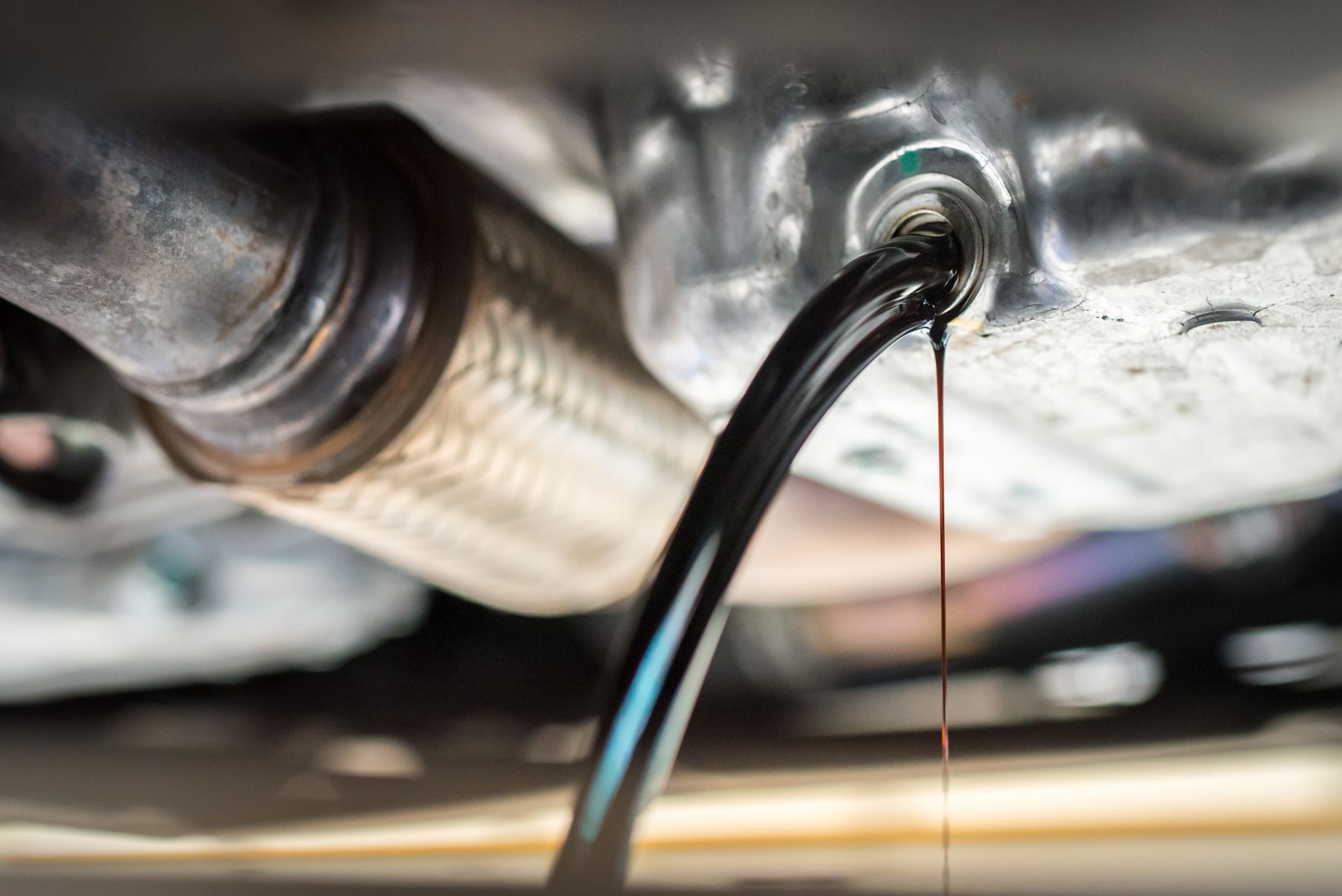
Ron's Auto & RV in Vancouver, WA, explains why cars and RVs may still need oil changes when rarely driven.
How to Winterize Your RV If you’re putting your RV or motorhome into storage for the cold season, one of the most important steps you can take is proper winterization . Freezing temperatures can wreak havoc on plumbing systems, appliances, electronics, and batteries, leading to costly repairs when spring rolls around. Whether you’re a first-time RV owner or an experienced traveler, learning how to winterize your RV correctly is essential for protecting your investment. At Ron’s Auto & RV in Vancouver, WA , we’ve seen firsthand the damage that freezing weather can cause. To help you avoid cracked pipes, dead batteries, faulty tires, and fuel system problems, here’s a simple breakdown of the RV winterization process. Why Winterizing Your RV Matters Even one night of freezing temperatures can burst water lines, damage holding tanks, and ruin appliances like water heaters and pumps. Winterizing your RV ensures that: Water systems are fully protected from freezing Batteries stay charged and healthy Fuel remains stable for long-term storage Appliances and seals don’t dry out or corrode Skipping winterization or doing it incorrectly can lead to thousands of dollars in repairs , especially if water damage spreads inside walls or cabinets. Step-by-Step RV Winterization Checklist 1. Drain and Bypass the Water Heater Start by turning off the water heater and allowing it to cool. Drain all remaining water and switch the bypass valve so no antifreeze enters the heater during the next steps. 2. Empty Fresh, Gray, and Black Tanks Use an approved dump station to empty all holding tanks. Rinse them out thoroughly and add RV-safe tank treatment to prevent odor and buildup during storage. 3. Drain the Entire Water System Open all faucets, hot and cold, and flush out any remaining water. Don’t forget showers, toilets, and exterior wash stations . 4. Pump RV Antifreeze Into the Plumbing Using a water pump conversion kit or siphon tube, draw non-toxic RV antifreeze into the system. Open each faucet until pink antifreeze flows through. Pour antifreeze into drains, toilet bowls, and P-traps as well. 5. Protect Appliances Refrigerator : Clean, defrost, and leave the door propped open to prevent mold. Washer/Dryer : Run antifreeze through if applicable. Ice Makers and Outdoor Showers : Don’t forget to include them in your antifreeze cycle. 6. Remove or Maintain Batteries Cold temperatures drain batteries fast. You can either remove batteries and store them indoors or leave them connected to a smart trickle charger to keep them topped off. 7. Stabilize the Fuel System For gasoline or diesel-powered RVs , fill the tank and add fuel stabilizer . Run the engine and generator briefly to circulate the treated fuel through the system. 8. Seal and Secure Exterior Components Check for cracked seals, loose roof vents, or window gaps . Use RV-safe sealant where needed. Cover tires and consider a breathable RV cover to protect the exterior. Common Winterization Mistakes to Avoid Using automotive antifreeze instead of RV-safe antifreeze Forgetting to bypass the water heater Leaving water in outdoor shower hoses or low-point drains Failing to clean out food crumbs, which attract rodents Letting batteries sit disconnected without charging Even experienced RV owners sometimes miss hidden water lines or skip smaller appliances. If you’re unsure, it’s worth having a professional RV winterization service do it right the first time. Professional RV Winterization in Vancouver, WA At Ron’s Auto & RV , we offer complete RV winterizing services for travel trailers, Class A diesel pushers, Class C motorhomes, and fifth wheels. We also offer full diesel truck services . Whether you want a full-service winterization or just help with plumbing and fuel system protection, we’ll ensure your RV is safely stored all season long. For expert Auto and RV services in Clark County, WA, contact us today !
Understanding the difference between regular and synthetic oil is crucial for vehicle owners, as it impacts engine performance, longevity, and maintenance schedules. This comprehensive guide will explore the distinctions between these two types of engine oils and the implications for auto repair services. 1. Introduction to Engine Oils Purpose of Engine Oil: Engine oil plays a critical role in lubricating engine parts, reducing friction, protecting against corrosion, and aiding in heat dissipation. 2. Regular Oil (Conventional Oil) Source: Regular oil is derived directly from crude oil. It undergoes a refining process to remove impurities and is blended with different chemical additives to achieve the desired performance characteristics. Properties: It has a simpler molecular structure compared to synthetic oil. This traditional form of oil is effective for basic lubrication and has been used in vehicles for decades. Cost: Generally, regular oil is less expensive than synthetic oil, making it a cost-effective choice for many drivers. 3. Synthetic Oil Manufacturing Process: Synthetic oil is chemically engineered in a laboratory. It starts with a base oil, to which various additives and synthetic compounds are added. Molecular Consistency: The controlled manufacturing process results in a product with uniformly smooth and consistent molecules, which offers superior lubricating properties. Performance Advantages: Synthetic oils excel in extreme temperatures. They flow better in cold weather, providing quicker engine protection, and do not break down as quickly in high temperatures. Engine Cleanliness: Due to its refined production process, synthetic oil is better at keeping engines clean. It can reduce engine sludge and buildup, which are common issues in engines running on conventional oil. Additives: Synthetic oils often contain more advanced additives than conventional oils, enhancing their protective and performance qualities. 4. Blended Oils (Semi-Synthetic Oils) Composition: Blended oils are a mixture of synthetic and conventional oils, offering a balance of cost-effectiveness and enhanced performance. Benefits: These oils provide better performance than regular oil, especially in terms of temperature resistance, without the full cost of synthetic oil. 5. Choosing Between Regular and Synthetic Oil Vehicle Requirements: Some modern vehicles, especially high-performance and luxury models, require synthetic oil due to their engine design and performance needs. Driving Conditions: Vehicles operating in extreme conditions, like very high or low temperatures, may benefit more from the superior properties of synthetic oil. Cost Considerations: While synthetic oil is more expensive, its longer lifespan can offset the initial cost difference. It’s also worth considering for vehicles with high mileage, as it can provide better engine protection. 6. Oil Change Intervals Regular Oil Change Interval: Conventional oil typically requires changes every 3,000 to 5,000 miles, depending on the vehicle and driving conditions. Synthetic Oil Change Interval: Synthetic oils can last much longer, often recommended to be changed between 7,500 to 15,000 miles, again depending on specific factors. Manufacturer’s Recommendations: Always refer to the vehicle’s owner’s manual for the manufacturer’s recommended oil type and change intervals. 7. Environmental Impact Eco-Friendliness: Synthetic oils are generally considered more environmentally friendly due to their longer lifespan and greater efficiency, which can result in fewer oil changes and less waste over time. 8. Role in Auto Repairs and Services Auto Repair Services: When taking your vehicle for maintenance or repairs, it’s important to specify or know the type of oil being used. Auto repair services can provide guidance on the best oil type for your vehicle based on its condition and your driving habits. Impact on Engine Health: The choice between regular and synthetic oil can affect the frequency of repairs and the overall health of your vehicle’s engine. Using the right oil can lead to fewer engine problems and potentially lower repair costs in the long term. 9. Common Misconceptions Switching Between Oil Types: Contrary to popular belief, you can switch between synthetic and regular oils without harming the engine. However, it’s advisable to consult with auto repair professionals before making any changes. Synthetic Oil Leads to Leaks: Modern synthetic oils do not cause leaks. This misconception stems from the use of early synthetic oils in older engines not designed for them. 10. Conclusion Choosing the right type of oil for your vehicle is a decision that should be made based on various factors, including the vehicle’s requirements, driving conditions, and cost considerations. Both regular and synthetic oils have their own set of advantages and are suited for different types of vehicles and driving patterns. Regular oil might be a suitable choice for older vehicles and less severe driving conditions, while synthetic oil is often the best choice for modern engines, extreme conditions, and extended oil change intervals. In the context of auto repair services, understanding these differences is vital for making informed decisions about your vehicle’s maintenance. Regular consultations with auto repair professionals can provide personalized advice based on the specific needs of your vehicle, ensuring optimal performance and longevity of your engine. Remember, investing in the right type of oil and adhering to recommended change intervals is not just about maintaining your vehicle but also about ensuring its efficient and smooth operation. Auto Repair Vancouver WA Timing Belt Replacement Vancouver WA Muffler Repair Vancouver WA Check Engine Light Vancouver WA Brake Repair Vancouver WA RV Repair Vancouver WA Clutch Replacement Vancouver WA Motorhome Repair Vancouver WA Transmission Repair Vancouver WA Alternator Repair Vancouver WA Car AC Repair Vancouver WA Engine Repair Vancouver WA CV Joint Replacement Vancouver WA Diesel truck repair Vancouver WA Truck Repair Vancouver WA Pre-purchase vehicle inspection Vancouver WA Emission Repair Vancouver WA Alternator Repair Battleground WA